Small actions you can take this winter that help make a difference to your wallet and the planet
When we hear the words “climate action”, it’s easy to picture massive international agreements, government policies, or expensive technology. While those things matter, climate action also starts much closer to home. Winter is a great time to make a few simple changes that save money, reduce waste, and lower our environmental footprint. None of these actions require perfection. The goal is simply to do what we can, where we can.
1. Warm the People, Not the Whole House
Heating is one of the biggest contributors to winter energy use. Instead of trying to heat every room, focus on the spaces you’re actually using. Close doors to unused rooms, use draught stoppers, pull curtains before dark, and add an extra layer of clothing before reaching for the thermostat. Small changes can make a surprising difference to both your power bill and your energy use.
2. Give Your Heat Pump Some Love
A quick clean of your heat pump filters can improve efficiency and help it work more effectively throughout winter. It’s one of those simple maintenance jobs that takes only a few minutes but can pay off all season long.
3. Make Food Go Further
Winter is soup season, and it’s the perfect opportunity to use up vegetables lurking in the fridge before they become food waste. Keep a container in the freezer for vegetable scraps and odds and ends. Once it’s full, turn it into stock. You’ll save money, reduce waste, and have the foundation for plenty of warming winter meals. Food waste remains a significant contributor to New Zealand’s greenhouse gas emissions, so every rescued carrot and forgotten celery stick counts.
4. Borrow Before You Buy
Sunny winter days often inspires new projects – pruning trees, repairing fences, tackling DIY jobs, or preparing gardens for spring. Before purchasing a tool you’ll use once or twice, check whether you can borrow it. Tool libraries help reduce resource consumption, save money, and build stronger communities at the same time.
5. Repair Something
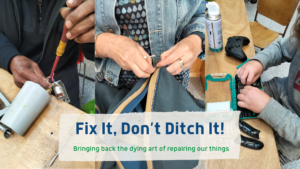
A loose button. A broken zipper. A wobbly chair. A lamp that no longer works. Winter evenings are ideal for tackling small repairs. Every item repaired is one less item heading to landfill and one less replacement item needing to be manufactured and transported.
6. Compost What You Can
Even during winter, composting remains one of the most effective household climate actions. Food scraps sent to landfill create methane as they break down. Composting returns nutrients to the soil instead and helps create healthier gardens for the growing season ahead.
7. Choose Second-Hand First
Before buying something new, take a moment to ask: “Could I find this second-hand?”
From winter jackets to furniture, books to kitchenware, choosing pre-loved items reduces demand for new resources while keeping perfectly good materials in circulation.
8. Have One Low-Carbon Meal Each Week
You don’t need to overhaul your entire diet overnight. Simply choosing one or two plant-based meals each week can reduce your household emissions while introducing new recipes and flavours. A hearty lentil soup, bean chilli, or vegetable curry can be just as satisfying on a cold evening.
Progress, Not Perfection
Climate action isn’t about doing everything. It’s about doing something. When thousands of households each make a few small changes, the collective impact becomes significant. Better still, many of these actions save money, reduce waste, strengthen community connections, and make our homes more comfortable.
This winter, choose one action from this list and give it a go. Then choose another. Small steps, taken together, are how lasting change happens.
Ready to take your next step?
If these simple winter actions have inspired you, why not discover even more practical ways to create a healthier home, save money, and reduce your environmental impact?
Join us at the Healthy Home, Healthy Planet Expo on Sunday 23 August, 10am–3pm at Pukeoware Hall. This FREE community event brings together local experts, businesses and organisations to share practical ideas for warmer, healthier homes, reducing household waste, cutting energy costs, growing food, sustainable transport, composting, and more.
Whether you’re just getting started or looking for fresh ideas, you’ll leave with practical tips you can put into action straight away.

Together, we can make our homes healthier, our communities stronger, and our planet a little greener—one small action at a time.